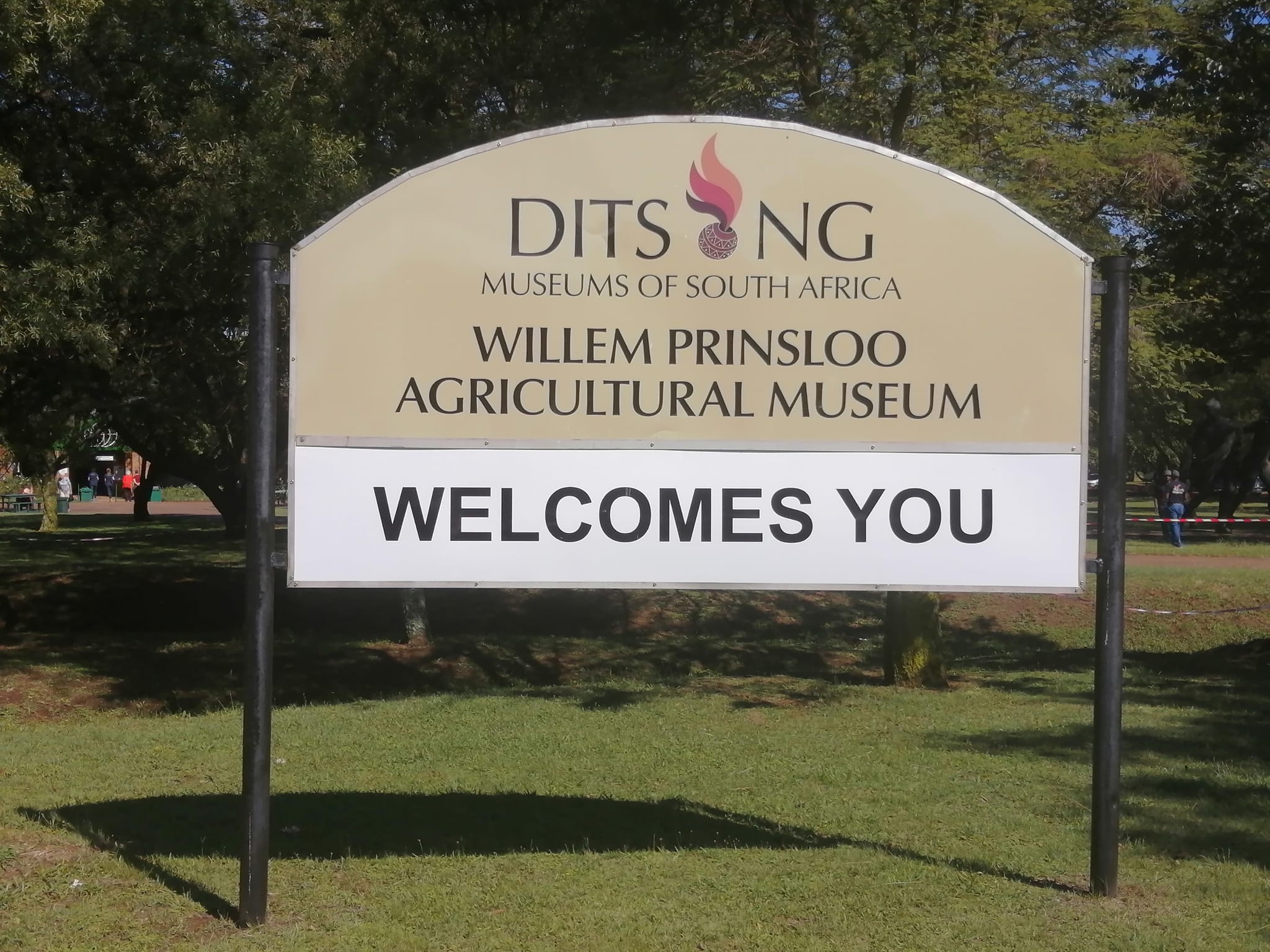
Preserving Local Heritage
Museums protect the unique history of a region, showcasing its achievements, struggles, and cultural evolution. By preserving historic places, such as farmhouses, indigenous homesteads, or industrial landmarks, museums ensure that these spaces remain meaningful, educational, and accessible to future generations. Without community support, many of these irreplaceable treasures risk being lost to time.
It’s
up to each of us to recognize the value of our cultural museums and
actively support them. Together, we can ensure that the places of
historic importance in our communities are preserved and celebrated
for generations to come.
- John Smith
Educating Future Generations
Cultural
museums serve as living classrooms, offering children and young
adults the chance to learn about their heritage in an engaging and
immersive way. Exhibits, interactive displays, and cultural programs
provide insights into history that can’t be found in textbooks.
When communities rally behind their museums, they invest in the
education and identity of future generations.
Fostering Pride and Belonging
Museums
celebrate the achievements and traditions of a community, creating a
sense of pride and belonging. When locals visit, volunteer, or
contribute, they strengthen their connection to their cultural
heritage. This collective pride becomes a foundation for building
stronger, more cohesiveDriving Economic Growth
Driving Economic Growth
Cultural
museums are often key attractions that draw visitors from near and
far, benefiting local economies. Festivals, exhibitions, and events
hosted by museums, like the Mampoer Festival at the Willem Prinsloo
Museum, bring tourism and business opportunities to surrounding
areas. By supporting museums, communities also support economic
sustainability.
A Responsibility for All
While
governments and organizations play a role in funding and managing
museums, their true lifeblood is community involvement. By attending
events, donating, or simply visiting museums, community members
actively contribute to the preservation of their shared history.
Safeguarding for the Future
When
communities invest in their cultural museums, they create a legacy
for future generations. These spaces will continue to tell the
stories of the past, inspire curiosity, and foster cultural
appreciation for years to come.